Concrete Advice From Marc Todd Concrete
Why Concrete Cracks and What Can Be Done to Help Control It
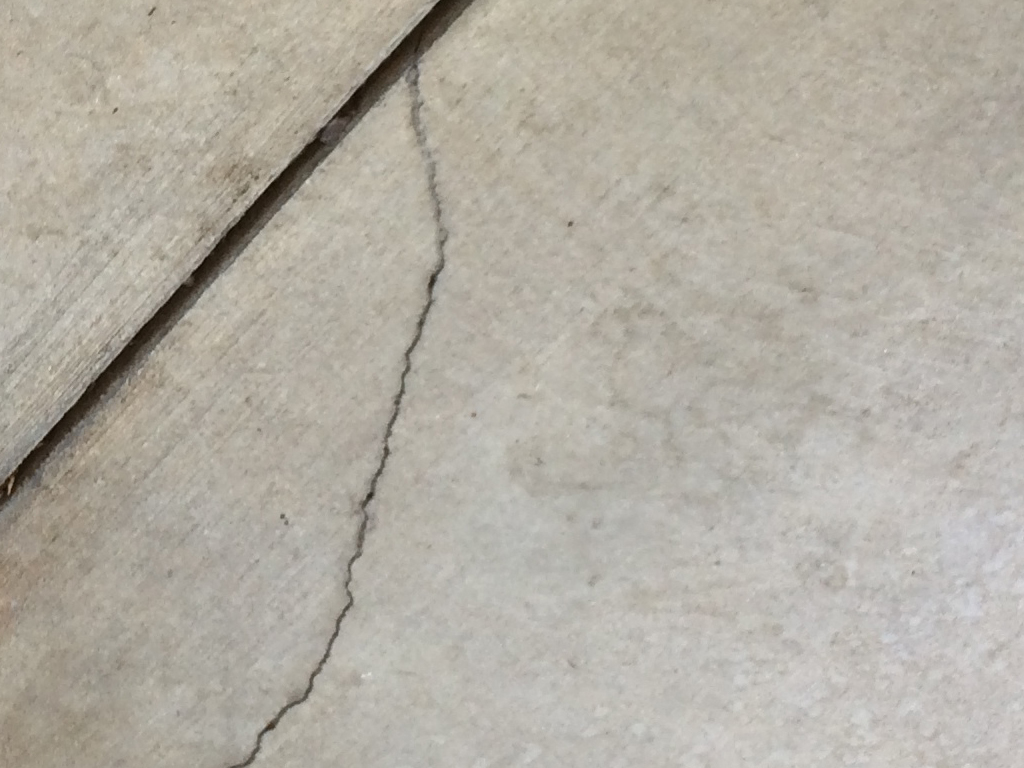
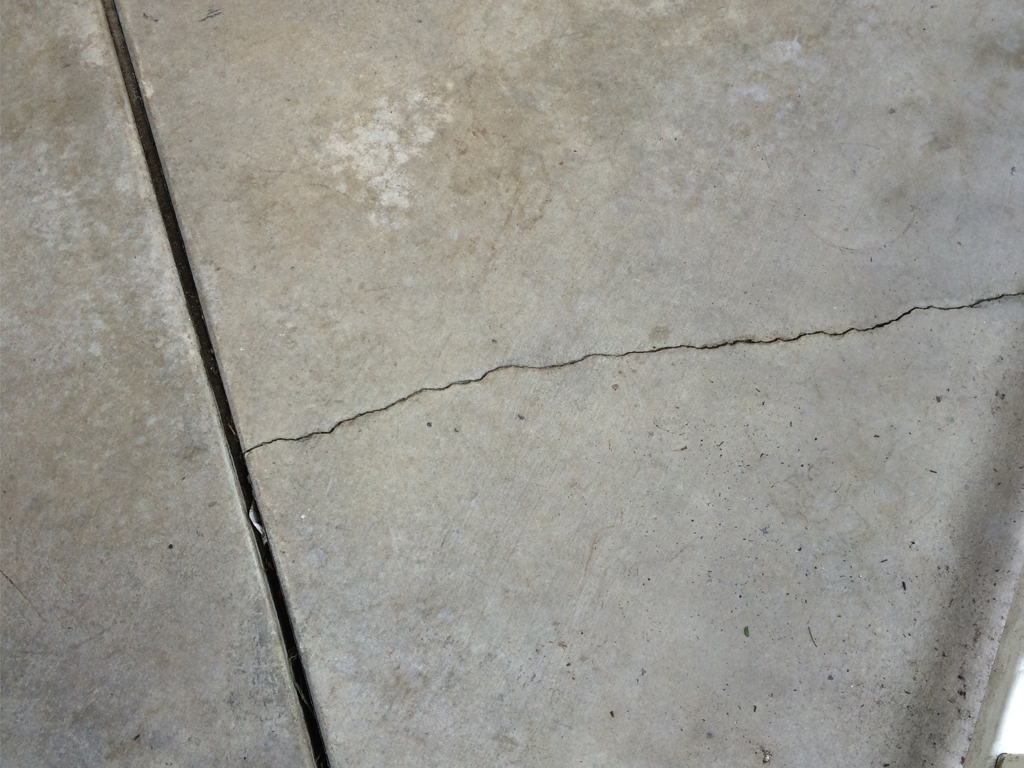
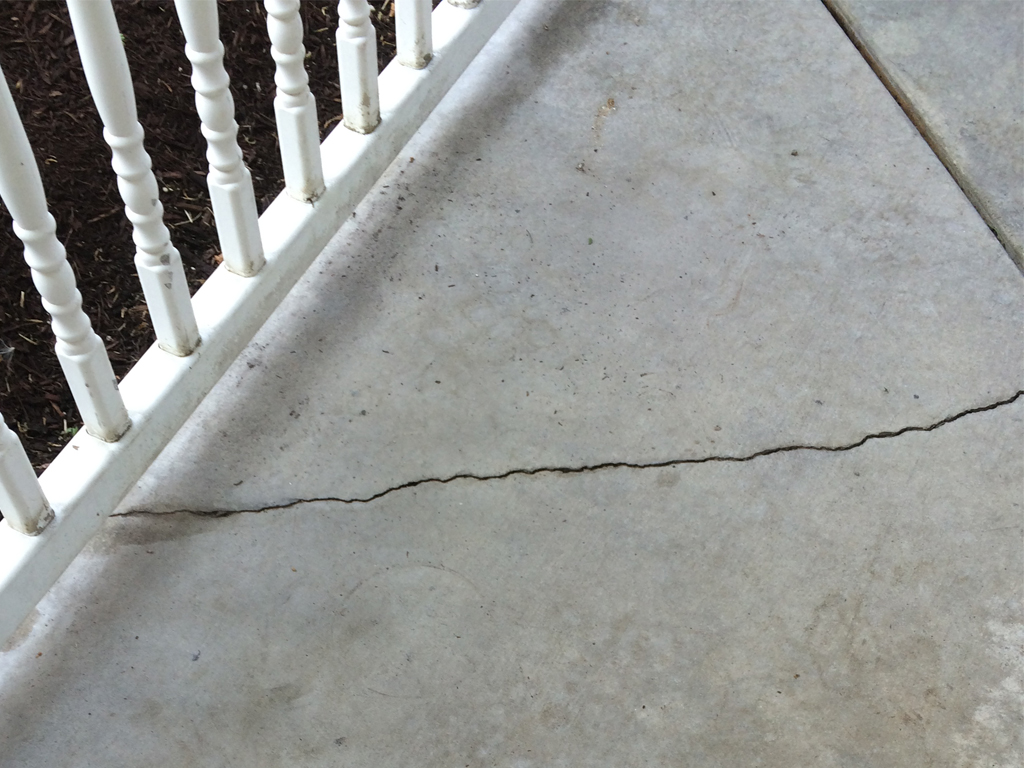
Concrete is an extremely strong and durable building material, but it is not completely immune to cracking. Concrete naturally shrinks while curing and continues to expand and contract as temperatures and moisture conditions change.
In Southwest Michigan and Northern Indiana, concrete must also withstand repeated freezing and thawing, heavy rain, changing ground conditions and significant seasonal temperature changes. These forces place stress on concrete driveways, patios, sidewalks, porches, garage floors and other slabs.
Important: No concrete contractor can honestly guarantee that concrete will never crack. Proper construction practices help reduce unwanted cracking and encourage normal movement to occur in planned locations.
Begin With Proper Ground Preparation
Long-term concrete performance begins below the slab. Organic material, soft soil, tree roots, large stumps and other unstable material should be removed before the concrete is poured.
This is especially important when old trees have been removed from a driveway or patio area. If a stump or large root system is left underneath the slab, it will gradually decay and leave a void in the ground. That loss of support can eventually allow the concrete above it to settle or crack.
After unsuitable material is removed, a stable base must be installed and properly compacted. Concrete placed over poorly compacted soil or loose fill is more likely to settle unevenly.
Use the Correct Concrete Mix
The strength and durability of the finished slab depend heavily on the concrete mixture. Exterior concrete should be designed for the intended use and for the freeze-and-thaw conditions experienced in our region.
Too much water added to the concrete can weaken the finished slab and increase shrinkage. A quality concrete mixture, placed and finished correctly, provides a stronger foundation for long-term performance.
Install Steel Reinforcement
Steel reinforcing bar helps hold the slab together and provides additional structural support. Reinforcement does not guarantee that a crack will never form, but it can help limit separation and movement if cracking occurs.
The type and placement of reinforcement should be selected for the project. Driveways, parking areas and other concrete that will carry vehicles require especially careful preparation and reinforcement.
Place Control Joints Correctly
Control joints are planned weakened lines placed in concrete to help manage normal shrinkage and movement. They may be created with a hand tool while the concrete is being finished or cut with a concrete saw after placement.
A properly located control joint encourages the concrete to crack along the joint instead of across the visible surface of the slab. The spacing and layout of these joints are important, especially around corners, narrow sections and changes in the shape of the concrete.
Control joints cannot guarantee that every crack will occur inside a joint. However, thoughtful joint placement greatly improves the concrete's ability to accommodate normal movement.
Use Expansion Material Where Needed
Expansion joint material is commonly installed where new concrete meets an existing slab, foundation, garage floor, building or other fixed structure. It separates the surfaces and allows them to move independently.
Without this separation, movement in one structure may transfer stress directly into the new concrete.
Provide Proper Drainage
Concrete should be installed at elevations that allow water to drain away from buildings and prevent standing water whenever site conditions allow. Water that collects around or beneath a slab can contribute to soil movement, erosion and freeze damage.
Proper slope and drainage are therefore important parts of both the appearance and structural performance of a concrete project.
Allow the Concrete to Cure
Concrete continues gaining strength after it has been placed. Although the surface may look finished within hours, the curing process continues for weeks. Concrete generally reaches most of its designed strength after approximately 28 days.
Protecting the new concrete and keeping heavy vehicles or other major loads off it during the early curing period helps prevent unnecessary damage.
Experienced Installation Makes a Difference
Successful concrete work requires much more than placing wet concrete into forms. Site preparation, base compaction, reinforcement, concrete mixture, elevations, drainage, joint placement, finishing and curing all work together.
With over 35 years of experience, Marc Todd Concrete uses proven construction practices to build concrete projects designed for long-term performance throughout Southwest Michigan and Northern Indiana.