CONCRETE CONTRACTOR BLOG
Concrete advice, project information and professional insight from more than 35 years of serving Southwest Michigan and Northern Indiana.
Quality concrete involves much more than placing and finishing a slab. Proper preparation, drainage, concrete mixture, reinforcement, control joints and finishing methods all affect how well a project performs over time.
Our concrete blog shares practical information about residential concrete construction, decorative finishes, seasonal conditions and completed projects. These articles help homeowners understand the details that contribute to attractive, durable and long-lasting concrete.
Marc Todd Concrete provides professional concrete and cement contractor services throughout Southwest Michigan and Northern Indiana. Our work includes concrete driveways, patios, sidewalks, porches, steps, garage floors, stamped concrete, colored concrete, exposed aggregate and other custom installations.
Winter Concrete Damage and Fall Driveway Sealing
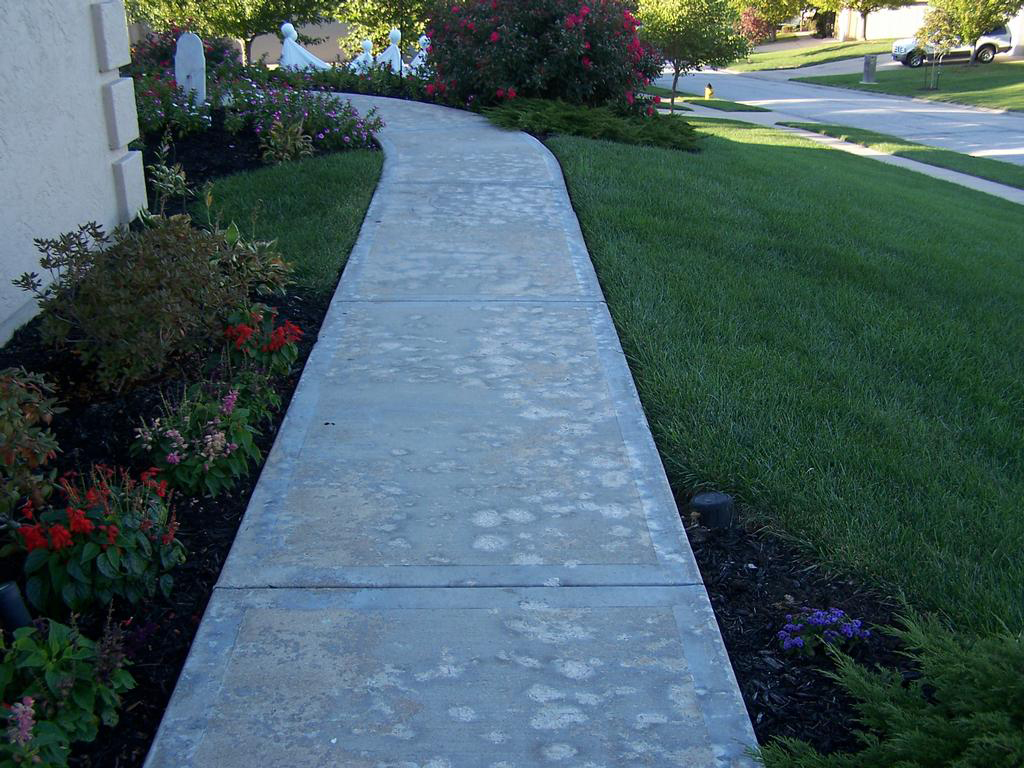
Road brine, deicing salts, trapped moisture and repeated freeze-thaw cycles
can contribute to scaling, pitting and deterioration of exterior concrete.
Control joints and areas where vehicles repeatedly park are especially
susceptible because salty runoff can collect and remain concentrated.
Seal Exterior Concrete Before Winter
A compatible high-performance sealer is an important maintenance step that
helps limit the penetration of water, road brine and deicing salts. The guide
also explains power-washing preparation, suitable sealing temperatures,
proper exterior air entrainment, IntraSeal and repair options for damaged
concrete.
Not all concrete projects are the same. The intended use, vehicle loads,
concrete mixture, steel reinforcement, control joints, drainage, curing
and finishing methods all contribute to a durable, long-lasting result.
Marc Todd Concrete answers common questions about driveway thickness,
#4 rebar, 4,000 PSI exterior concrete, decorative finishes, curing time,
cracking and drainage for projects throughout Southwest Michigan and
Northern Indiana.
A broom finish is one of the most common finishes used on exterior concrete. After the concrete has been placed, leveled and floated, a specialized concrete broom is carefully drawn across the surface while the concrete is still workable.
The broom creates fine, consistent lines that provide traction and help reduce the chance of slipping when the surface becomes wet. The timing of the finish is important. If the concrete is too wet, the grooves may become too deep or uneven. If the concrete has set too far, the broom may not create a clean and consistent texture.
This video shows the broom-finishing process on freshly poured concrete. A properly applied broom finish gives driveways, sidewalks, patios and other exterior concrete surfaces a clean appearance while improving everyday traction.
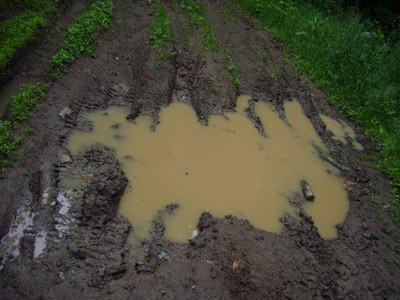
After a long Michigan or Indiana winter, warmer temperatures can create extremely wet and muddy conditions. Frozen ground may begin thawing from the surface downward while deeper soil remains frozen, preventing water from draining properly.
Concrete construction requires a stable base that can support the slab. Beginning excavation or base preparation while the ground is saturated can disturb the soil and create an unstable foundation. Heavy equipment can also sink into the site, damage lawns and make proper grading difficult.
Sometimes the most responsible choice is to allow the site additional time to dry before construction begins. Waiting for suitable conditions helps us prepare a stronger base, establish the proper elevations and protect the long-term performance of the finished concrete.
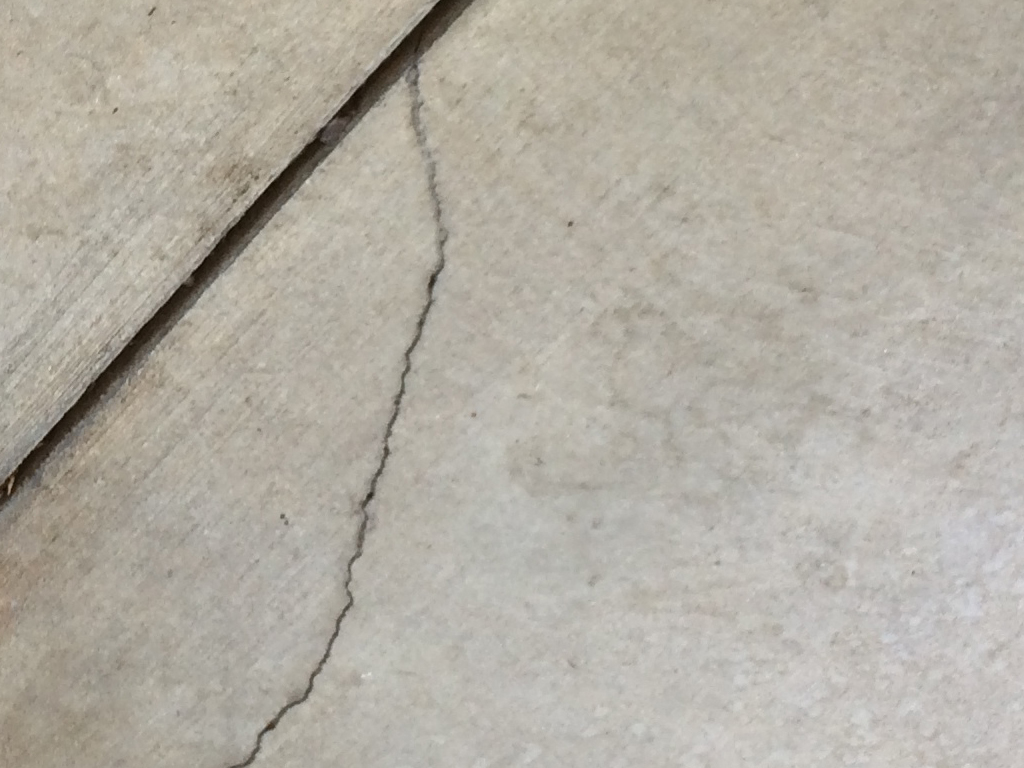
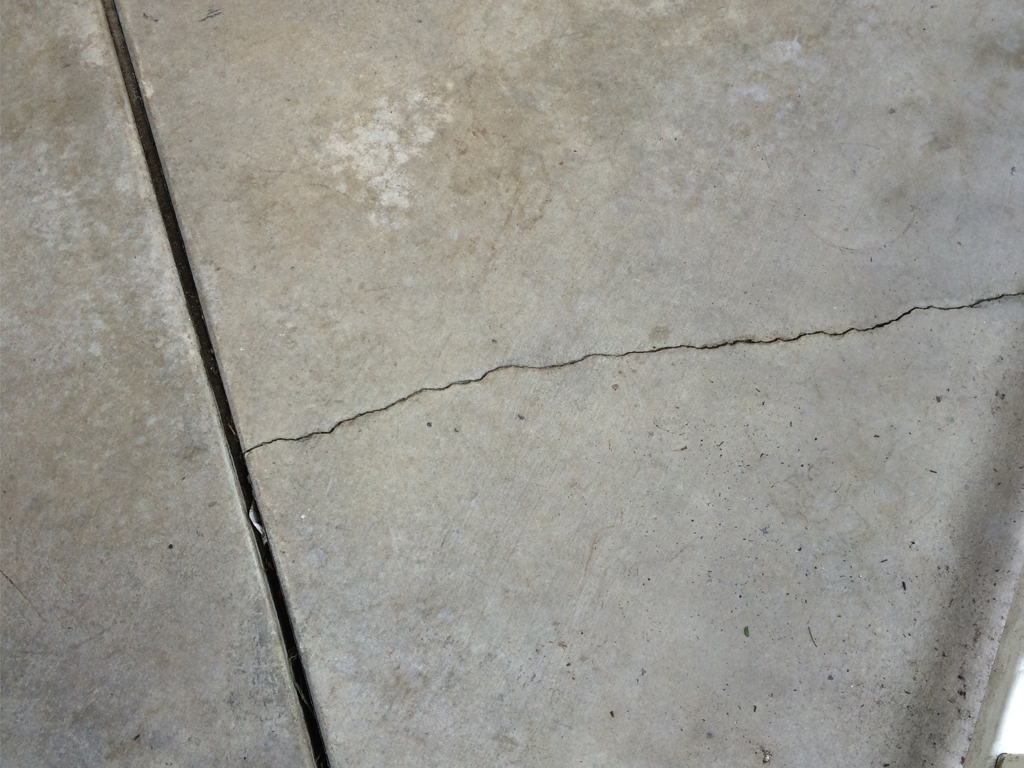
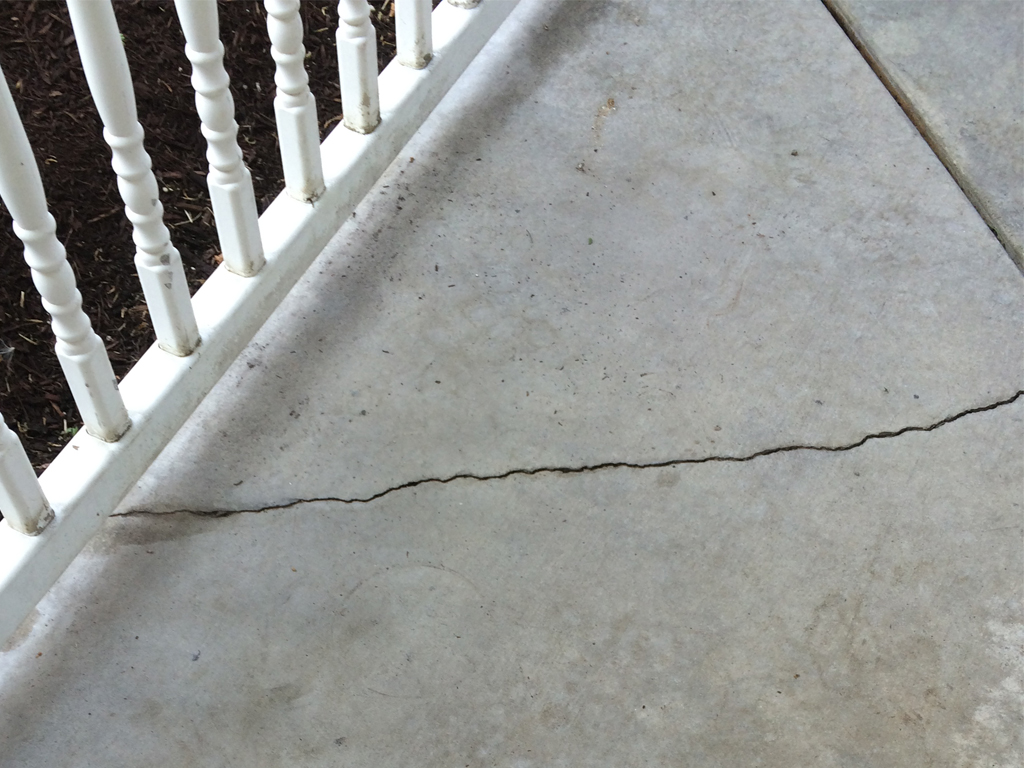
Concrete naturally expands, contracts and shrinks as temperatures and moisture conditions change. Although reinforcement strengthens a slab, it cannot guarantee that concrete will never crack. Control joints create planned weak points that encourage normal shrinkage cracks to occur in specific locations.
The placement, spacing and depth of control joints must be planned according to the shape and size of the slab. Corners, narrow sections, changes in slab width and areas around fixed objects require particular attention because stress tends to concentrate in those locations.
When control joints are installed correctly, a crack is more likely to form beneath the joint where it is less visible. This is why control joints are often described as providing a location for controlled cracking.
“My son, do not forget my teaching, but keep my commands in your heart, for they will prolong your life many years and bring you peace and prosperity.”
Proverbs 3:1–2
Welcome to the Marc Todd Concrete Blog
Welcome to the Marc Todd Concrete blog. This is where we share helpful concrete information, jobsite experiences, project photographs, construction techniques and advice for homeowners considering a new concrete project.
Our family-owned concrete company has served Southwest Michigan and Northern Indiana for more than 35 years. That experience has taught us that the details beneath and within a concrete slab are just as important as the finished surface people see.
We hope these articles help explain how professional concrete is prepared, reinforced, placed, finished and protected. Please check back as we continue adding concrete tips and completed project information.
Planning a Concrete Project?
Explore our completed work or contact Marc Todd Concrete to discuss a driveway, patio, sidewalk, porch, steps, seawall or other custom concrete project in Southwest Michigan or Northern Indiana.