Concrete Questions Answered by Marc Todd Concrete
Concrete Contractor FAQs for Homeowners and Businesses
Planning a concrete project usually brings up questions about thickness, reinforcement, curing, cracking, drainage, finishes and cost. The right answer depends on how the concrete will be used and the conditions at the site.
Below, Marc Todd Concrete answers common questions from property owners throughout Southwest Michigan and Northern Indiana. These answers provide general guidance; final recommendations are based on the individual project.
Have a question about your property? Call 269-659-8350 or request a free estimate. Marc Todd Concrete can evaluate the site and explain the options.
What Types of Concrete Projects Does Marc Todd Concrete Install?
Marc Todd Concrete specializes in all types of concrete flatwork and also completes select foundation and specialty concrete projects for residential, commercial and agricultural properties. Our interior and exterior concrete work includes concrete driveways, parking areas, patios, sidewalks, porches, steps, garage and basement floors, pole barn and barndominium floors, foundations, equipment pads, retaining walls and specialty concrete seawalls.
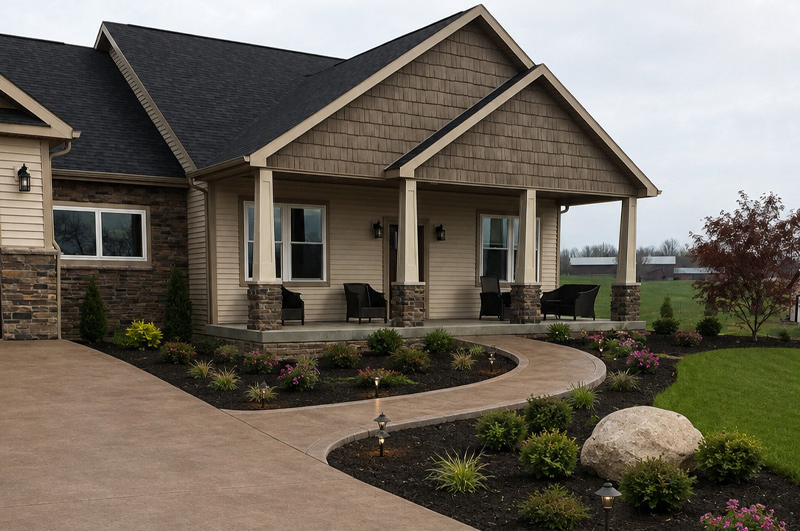
Decorative concrete options include stamped concrete, stamped borders, specialty edging, integral colored concrete, stained finishes, exposed aggregate, decorative concrete coatings, concrete resurfacing and custom paving-brick installations and inlays.
How Thick Should a Concrete Driveway Be?
The required thickness of a concrete driveway is determined by the type, weight and frequency of the traffic it will carry. A typical residential driveway used by passenger vehicles and light trucks is poured 4 inches thick. If delivery trucks or other heavier vehicles will regularly use the driveway, it should be poured 5 inches thick. Proper ground preparation and a stable, compacted base remain essential for every concrete project, regardless of slab thickness.
Does Concrete Need Steel Reinforcement?
Steel reinforcement is required in all exterior concrete. All concrete will crack as it cures and responds to temperature changes, moisture and freeze-thaw cycles. Control joints create planned weak points that encourage cracks to develop within the joints rather than randomly across the slab. Steel reinforcement helps keep the concrete sections tied together, reducing heaving, vertical movement and separation after cracking occurs. Marc Todd Concrete prefers #4 rebar over wire mesh because wire mesh can rust through more quickly where it crosses control joints and is exposed to moisture and changing weather conditions.
What Strength Concrete Mix Should Be Used?
Not all concrete is the same. The quality and composition of the concrete mix are just as important as proper preparation and professional finishing in producing a durable, long-lasting result. Marc Todd Concrete uses a 4,000 PSI limestone-aggregate mix for exterior concrete and a gravel-aggregate mix for interior concrete. Exterior concrete in Michigan and Indiana must withstand moisture, temperature changes, deicing chemicals and repeated freeze-thaw cycles. We also add Impede® IntraSeal to our exterior concrete mix to help resist water and deicing-brine penetration, reducing the risk of winter spalling and other surface deterioration.
How Long Should New Concrete Cure Before Use?
Light foot traffic may be permitted after the concrete has initially set, but vehicles and heavy loads require additional curing time. Marc Todd Concrete recommends keeping cars off new concrete for at least 10 to 14 days, depending on weather and curing conditions. Larger vehicles and heavier loads may require a longer waiting period. Concrete continues gaining strength for several weeks and generally reaches its designed strength after approximately 28 days. Always follow the contractor's instructions before placing traffic or heavy loads on new concrete.
Can Concrete Be Guaranteed Never to Crack?
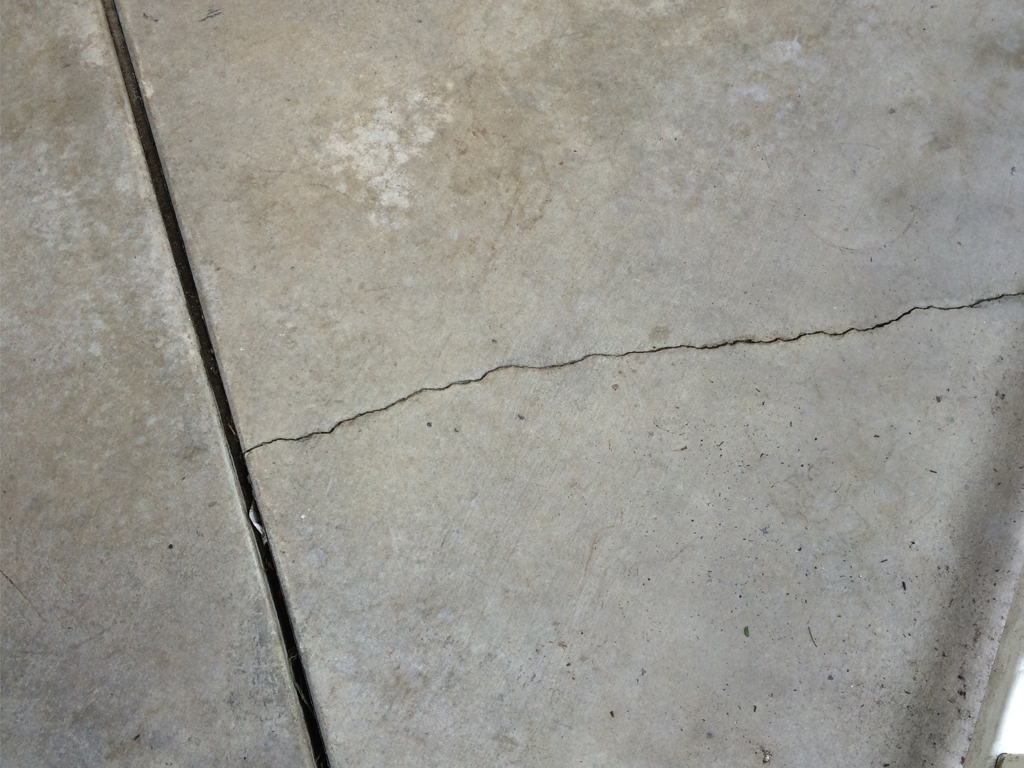
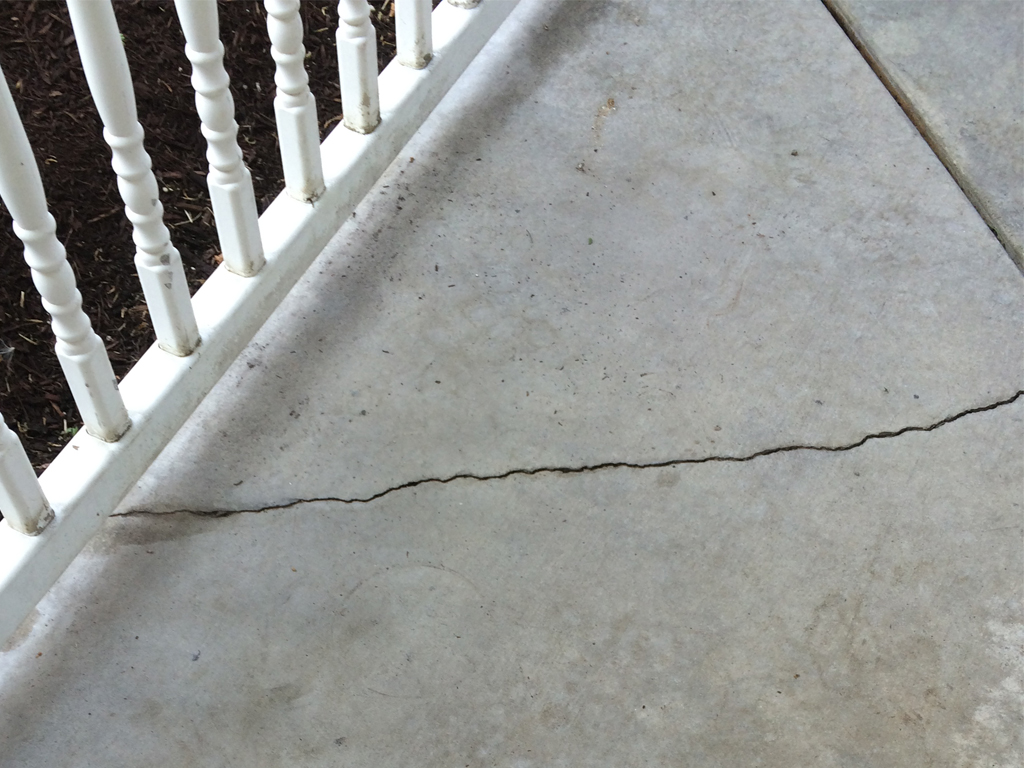
No honest contractor can guarantee that concrete will never crack. All concrete cracks—there are no exceptions. Concrete is a natural product that shrinks as it cures and continually expands and contracts with changes in temperature and moisture. Control joints are intentionally installed to create planned weak points, encouraging the concrete to crack within those joints rather than randomly across the finished surface. Proper preparation, steel reinforcement, control-joint placement, drainage and curing help control cracking and keep the slab sections stable, but they cannot prevent every crack.
Learn more in our guide explaining how proper installation helps control concrete cracks.
What Is the Difference Between Stamped and Colored Concrete?
Colored concrete changes the color of the concrete itself or its finished surface. Stamped concrete adds a pattern and texture that can resemble stone, brick, slate or other materials. Color and stamping can be combined for patios, walkways, porches, pool decks and decorative entrances.
Which Outdoor Concrete Finish Provides Better Traction?
Broom finishes, exposed aggregate and appropriately textured decorative finishes can provide traction for outdoor surfaces. The right choice depends on slope, water exposure, foot traffic and appearance. Read our article about choosing a safer outdoor concrete finish.
Can New Concrete Help Correct Drainage Problems?
New concrete can often improve drainage when elevations, slopes, adjoining surfaces and water-flow patterns are carefully evaluated before installation. When the situation requires additional drainage, a French drain or trench drain can also be installed to collect and redirect water safely away from the concrete and nearby structures. Marc Todd Concrete has extensive experience identifying water problems and developing practical drainage solutions based on the surrounding grades, buildings and available discharge areas.
When Should Concrete Be Replaced Instead of Repaired?
Replacement may be the better long-term choice when concrete has widespread settlement, multiple moving cracks, severe surface deterioration, poor drainage or an inadequate base. Minor stable damage may have repair options, but a site visit is usually needed to determine whether repair will provide a lasting result.
Can Concrete Be Installed During Colder Weather?
Concrete can be installed in cooler conditions when the temperature, ground and curing plan are appropriate. Frozen ground, severe cold and rapidly changing weather can create problems, so scheduling depends on the project and forecast. Our regional experience helps us plan around Southwest Michigan and Northern Indiana conditions.
How Long Does a Typical Concrete Project Take?
Project time depends on size, demolition, access, excavation, base preparation, reinforcement, weather and concrete availability. A straightforward residential project may take only a few working days, while large or detailed projects require additional time. Curing continues after the crew completes its work.
Does Marc Todd Concrete Provide Free Estimates?
Yes. Marc Todd Concrete provides free estimates. We discuss the proposed work, intended use, finish preferences and site conditions before preparing pricing. Call 269-659-8350 or use our online contact form to begin.
What Areas Does Marc Todd Concrete Serve?
Marc Todd Concrete serves communities throughout Southwest Michigan and Northern Indiana. Core Michigan areas include Sturgis, Three Rivers, Centreville, Constantine, White Pigeon and surrounding communities. Northern Indiana service includes LaGrange, Howe, Angola, Shipshewana and nearby areas.